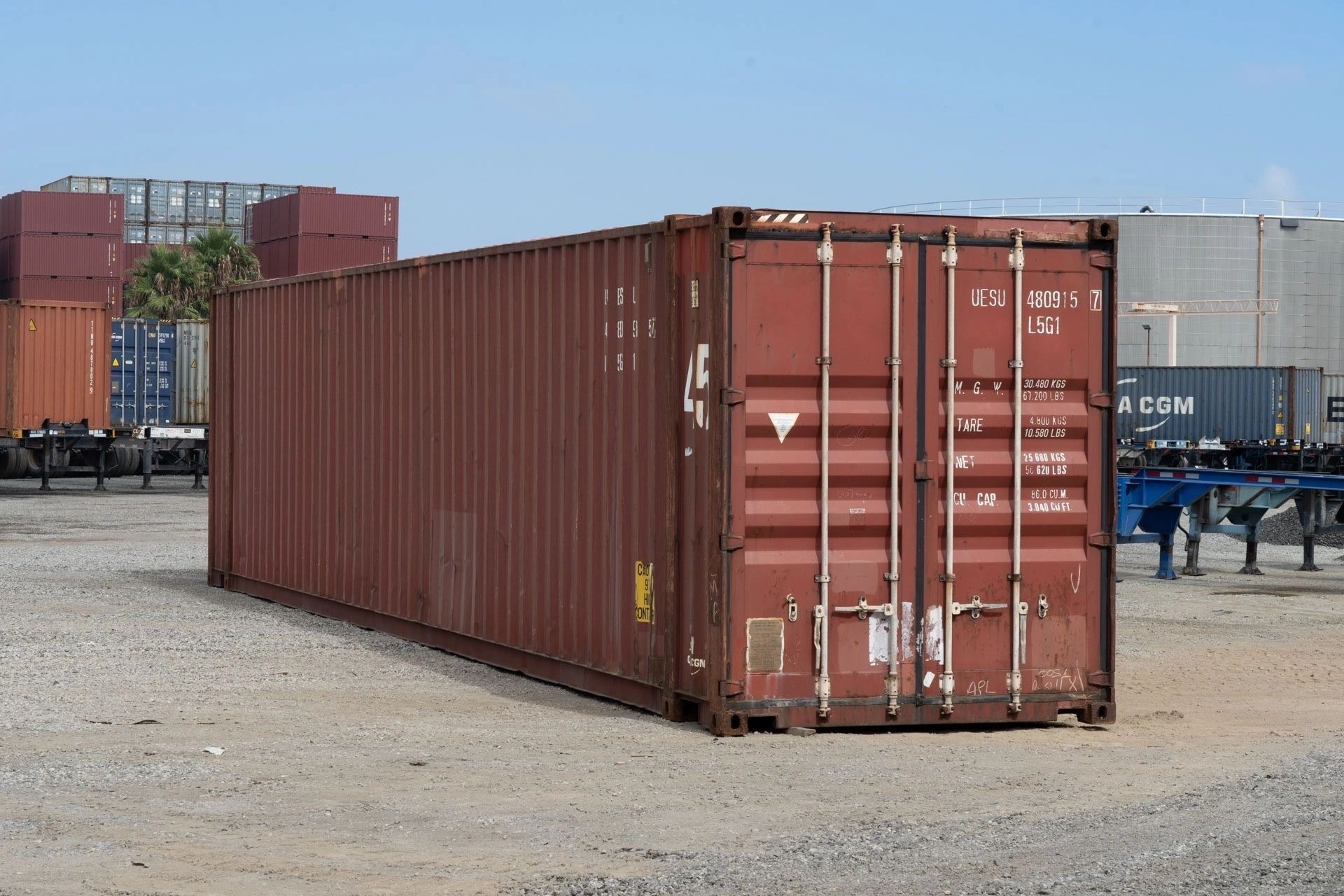
15 Reasons You Shouldn't Overlook 20 Foot Container Size
Understanding the 20 Foot Container Size: Specifications, Uses, and Benefits
When it pertains to shipping and logistics, understanding container sizes can significantly affect storage and transport effectiveness. Amongst the different container sizes offered in the market, the 20-foot container is one of the most popular and widely utilized. This article looks into the dimensions, requirements, uses, benefits, and often asked concerns about 20-foot containers.
What is a 20 Foot Container?
A 20-foot container, frequently described as a TEU (Twenty-foot Equivalent Unit), is a standard shipping container utilized for carrying products around the world. Its dimensions make it flexible for various types of cargo, consisting of palletized products, automobiles, machinery, and raw products.
Specifications of a 20 Foot Container
The following table outlines the essential specs of a basic 20-foot container:
Dimension
Measurement
External Length
20 ft (6.058 m)
External Width
8 ft (2.438 m)
External Height
8.5 ft (2.591 m)
Internal Length
19.4 ft (5.898 m)
Internal Width
7.7 ft (2.352 m)
Internal Height
7.9 ft (2.385 m)
Maximum Gross Weight
24,000 kg (52,910 lbs)
Tare Weight
2,300 kg (5,071 lbs)
Payload Capacity
21,700 kg (47,851 pounds)
Volume
33.1 cubic meters
Design Variants
There are numerous style versions of the standard 20-foot container, including:
- Standard Dry Containers: The standard container designed for basic cargo.
- Reefer Containers: Temperature-controlled containers utilized for perishable items.
- Open Top Containers: Containers with an open roof, appropriate for large cargo.
- Flat Rack Containers: Used for heavy and large items that do not fit in standard containers.
- High Cube Containers: These are somewhat taller than standard containers, offering extra volume.
Uses of a 20 Foot Container
The adaptability of the 20-foot container is one of its standout functions. Here are some common uses:
- International Shipping: The 20-foot container is ideal for transporting goods throughout continents.
- Storage: These containers serve as safe storage units for individual belongings or service inventory.
- Modular Construction: Some business utilize 20-foot containers to develop modular buildings or workplaces.
- Mobile Businesses: Entrepreneurs frequently convert containers into mobile retail spaces or food trucks.
- Event Infrastructure: These containers can be used to supply short-term facilities at events, including toilets or storage areas.
Advantages of Using a 20 Foot Container
Selecting a 20-foot container has numerous benefits:
- Cost-Effective: Smaller than larger containers, 20-foot containers can often be more cost-effective for businesses that do not require the capacity of a bigger design.
- Easy Handling: Their workable size makes them much easier to fill, transportation, and shop, causing time cost savings at ports and storage facilities.
- Versatile Storage Solutions: The standard dimensions allow for the fitting of various cargo types, making them exceptionally flexible.
- Sturdiness: Shipping containers are built to hold up against harsh weather condition and impacts, guaranteeing cargo security during transit.
- Accessibility: They are one of the most widely produced and offered container types, making them much easier to obtain.
Typical Questions (FAQs)
1. What can fit inside a 20-foot container?
A 20-foot container can usually hold about 10-11 basic pallets or approximately 21,700 kg of cargo depending upon the kind of products being delivered.
2. How much does a 20-foot container weigh?
The tare weight of a standard 20-foot container is around 2,300 kg (5,071 lbs).
3. Are 20-foot containers appropriate for moving houses?
Yes, they offer an outstanding choice for transferring a small home's worth of belongings due to their size.
4. How do I secure cargo in a 20-foot container?
Cargo should be protected using straps, dunnage, and pallets to avoid movement during transport and guarantee safe delivery.
5. Can I rent a 20-foot container?
Lots of shipping business use rental options, making it easy for services and people to gain access to containers for short-term use.
6. Are there specific policies for shipping with 20-foot containers?
Yes, each country may have particular regulations concerning the transport of products, consisting of size restrictions, weight limits, and documentation requirements.
A 20-foot container plays a vital function in international shipping and logistics due to its workable size and varied applications. It is necessary to think about the specifications, advantages, and uses of 20-foot containers when preparing for shipping or storage requirements. As the logistics and shipping industry continues to evolve, one can anticipate that the 20-foot container will preserve its relevance and utility in fulfilling the needs of worldwide trade.
Whether you are an organization aiming to optimize shipping costs or an individual needing storage options, comprehending the 20-foot container's possible offers substantial benefits. As shipping COG Containers LTD continue to advance, this sized container will remain a vital property for carrying products and services worldwide.